Explore baseball memorabilia
Explore baseball memorabilia
Blog Article
Discovering America's History at the National Ballpark Museum
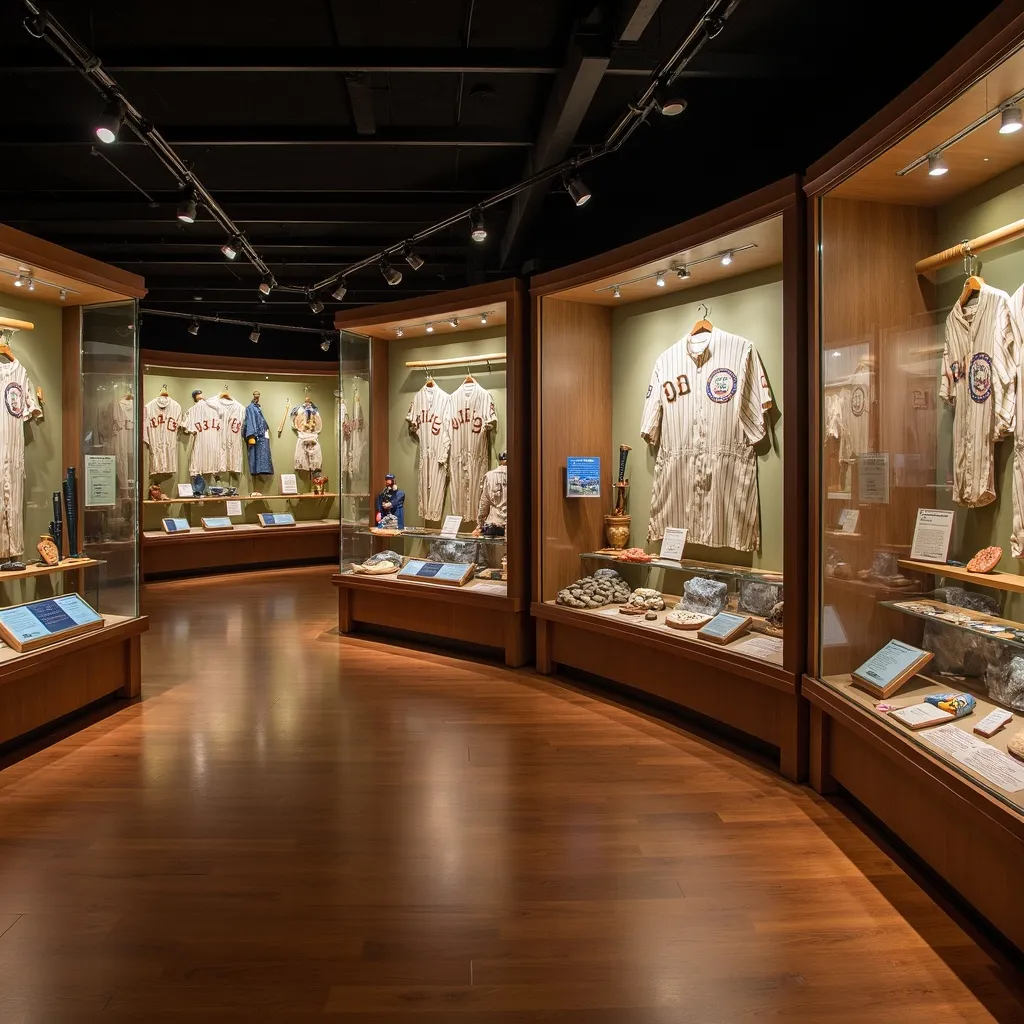
The National Ballpark Museum gives a distinctive perspective into America's baseball legacy. Through its assemblage of memorabilia and displays, visitors can explore the sport's evolution alongside societal shifts. Iconic jerseys and uncommon photographs tell stories of legends and their impact on the game. As families engage with hands-on exhibits, they discover how baseball stays intertwined with American culture. What insights might this museum unveil about the tomorrow of the sport?
The Wealthy Heritage of Baseball in America
Baseball, frequently known as America's beloved pastime, has a colorful history that helps define the cultural character of the nation. Arising in the nineteenth century, the sport swiftly gained traction, displaying the cultural dynamics and distinctive identities of National Ballpark Museum activities the period. The development of established competitive organizations transformed baseball into a pillar of American entertainment, with the National League forming in 1876 and the American League following in 1901.
Major moments, such as the incorporation of baseball in 1947 with Jackie Robinson, represented considerable societal shifts, resisting societal norms and advancing civil rights. The game has also observed legendary figures, from Babe Ruth to Hank Aaron, whose impacts reverberate beyond the diamond. Iconic ballparks have held countless memorable moments, creating a communal experience for fans. Overall, baseball acts as a mirror of American history, capturing triumphs, struggles, and the enduring spirit of a nation bound by its passion for the game.
Renowned Baseball Memorabilia You Should Check Out
While memories of legendary games and historic moments endure in the minds of fans, iconic baseball memorabilia serves as physical ties to the sport's celebrated legacy. The National Ballpark Museum houses an impressive collection, displaying items that capture the essence of baseball's past. Visitors can admire at classic garments used by Hall of Famers, each thread telling a story of triumph and perseverance. Signed spheres, preserved in glass cases, offer glimpses into direct relationships between players and fans, while scarce prints eternalize critical junctures in baseball history.
Among the main exhibits are title symbols, signifying the zenith of success, and antique game passes that carry visitors back to unforgettable games. Each object inspires reflection and appreciation for the game's transformation. This meticulously assembled collection not only highlights the game's milestones but also generates nostalgic emotions, informing visitors of the enduring legacy of America's pastime.
Encounter the Legends: The Manner the Museum Celebrates Baseball Icons
Recognition of baseball icons permeates the atmosphere of the National Ballpark Museum, where guests are invited to discover the lives and accomplishments of the sport's most iconic figures. The museum features engaging exhibits that highlight the careers of baseball stars, offering artifacts, photographs, and interactive displays that bring their stories to vivid detail. Each section is meticulously curated to reflect the unique contributions of players such as Babe Ruth, Jackie Robinson, and Hank Aaron, showcasing their impact both on and off the field.
The museum also holds special events and guest speakers, giving fans opportunities to listen to firsthand accounts and insights from former players and historians. This dedication to honoring baseball icons promotes a deep connection between visitors and the legends who built the game. Through its immersive environment, the National Ballpark Museum assures that the legacy of these players continues to motivate future generations of baseball enthusiasts.
Discover How Baseball Stadiums Have Changed
Baseball has advanced throughout the decades, and its stadiums have experienced considerable transformation to fulfill the shifting preferences of fans and players alike. Early ballparks were typically basic, featuring wooden bleachers and minimal amenities, constructed essentially for the game itself. Yet, as the sport grew in popularity, stadiums started to introduce additional features, including upgraded seating options, concessions, and restrooms, boosting the overall experience.
The emergence of advanced systems led to substantial growth, including large-scale displays and state-of-the-art acoustics. Structurally, stadiums progressed from the symmetrical, traditional designs to increasingly bespoke, audience-centered arrangements, producing engaging atmospheres that represent local heritage. The proliferation of corporate partnerships also affected construction, with VIP suites and upscale seating turning into a standard feature. Today, stadiums function as flexible establishments, accommodating performances and gatherings outside of baseball, emphasizing their flexibility and importance in American society. This shift reveals not merely a activity, but a dynamic community center.
Family-Welcoming-Events at the National Ballpark Museum
The National Ballpark Museum features a assortment of family-centered pursuits that pay tribute to the vibrant history of baseball and its distinguished stadiums. Families can delight in engaging installations that invite children to participate in the sport's history through tactile experiences. A scavenger hunt throughout the museum inspires young visitors to seek out artifacts and understand celebrated figures and historic moments.
Additionally, the museum arranges educational workshops where children can develop their baseball skills, explore the science of the game, and participate in storytelling sessions about famous teams and their achievements. Special events, such as family days, often present guest speakers from the baseball community, bringing a personal touch to the experience. With its inviting atmosphere and multiple programs, the National Ballpark Museum encourages a love for baseball, making it an ideal spot for families looking to spend time together over America's favorite pastime.
Arrange Your Visit to the National Ballpark Museum
Curious about how to get the most from a visit to the National Ballpark Museum? Guests are recommended to consult the museum's web portal for present hours and admission fees before planning their visit. Located in Denver, Colorado, the museum is easily accessible via public transportation and offers nearby parking options. It is advisable to set aside at least two hours to tour the extensive exhibits, which feature baseball history and memorabilia.
For those looking for a curated visit, the museum provides informative tours that delve deeper into the pieces. Families can appreciate participatory installations, making it a remarkable experience for all ages. Additionally, patrons should reflect on planning their visit time to coincide with exclusive occasions or changing displays for an better experience. Finally, the museum shop offers distinctive keepsakes for admirers to bring back, ensuring that the visit makes a lasting impression.
Frequently Inquired Questions
When Is the Museum's Hours of Service?
The museum functions from 10 AM to 5 PM, Tuesday through Sunday. It remains closed on Mondays, enabling staff to maintain exhibits and prepare for the next day's attendees keen to explore its features.
Is There an Admission Fee for the Museum?
The museum charges a slight admission fee for entry. Visitors can experience a rich collection of historical artifacts and exhibits, strengthening their understanding of the sport's significance on American culture and history.
Are there professional tours accessible at the Museum?
Guided excursions are offered at the museum, providing guests with an in-depth encounter. Expert guides share insights and anecdotes about the displays, enriching the understanding of baseball history and its cultural significance.
May I Obtain Gifts at the Museum?
At the gallery, souvenirs are sold for purchase. Visitors have a variety of mementos, including apparel, collectibles, and themed items, allowing them the chance to take home a piece of their journey.
Can You Access the Museum with a Wheelchair?
The museum is wheelchair accessible, ensuring that all guests can navigate its exhibits comfortably. Accessible ramps and marked routes are provided, encouraging inclusive access and enabling everyone to enjoy the rich history displayed within its spaces.
Please visit one of our local supporters - True Joy Birthing Colorado Medicaid Doula Coverage
Report this page